

The "Trash Can" Standard: Why We Refuse to Settle for Non-Profit Status Quo
By Juan Ramos, Founder & Executive Director at R3 Generations
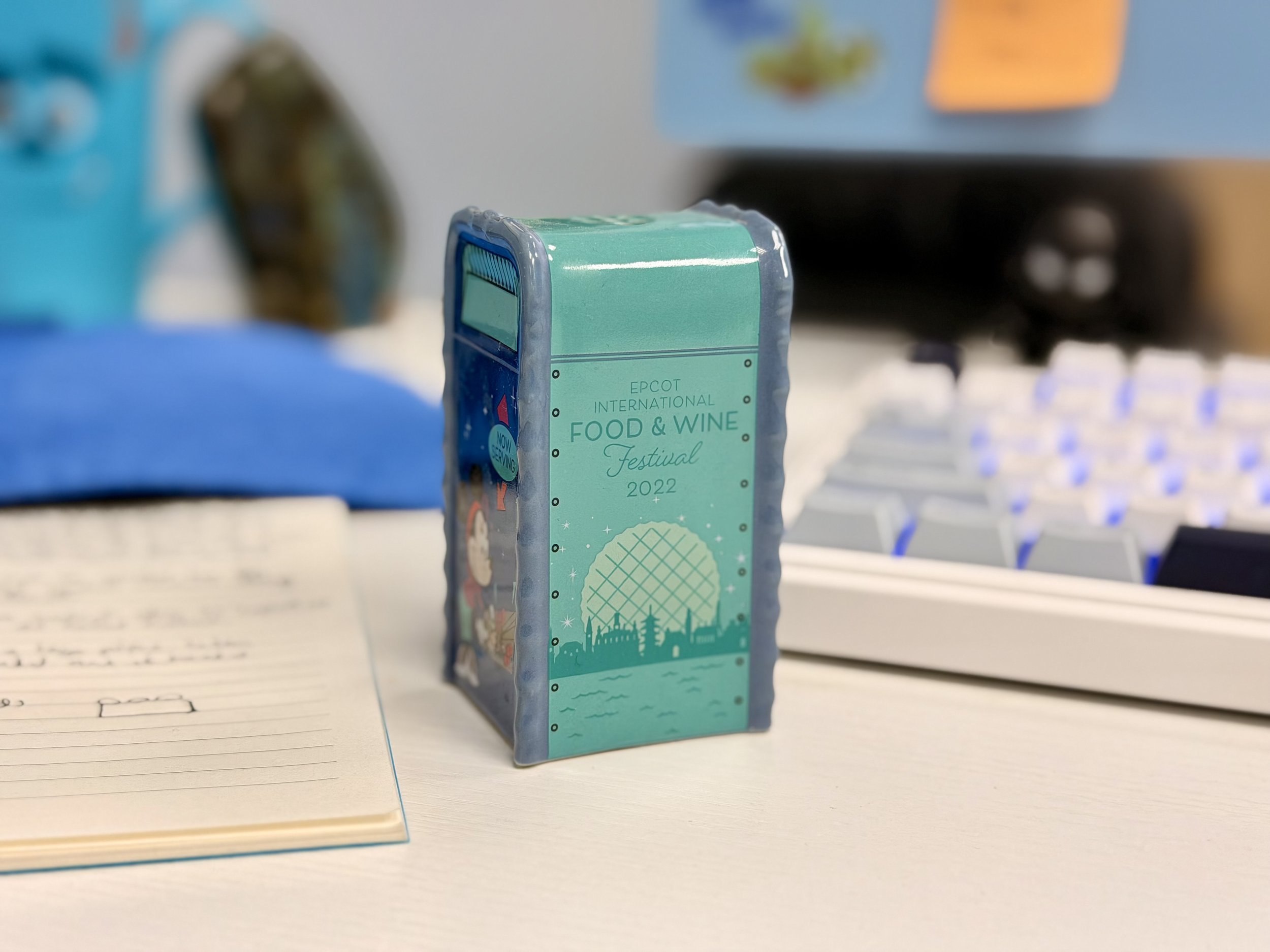
Since 2022, a peculiar object has lived on my desk right next to my notebook and keyboard: a miniature ceramic salt shaker shaped like a theme park trash can from the Epcot International Food & Wine Festival.
To most visitors, it looks like a quirky souvenir. To me, it is one of the most critical leadership principles sitting in my office—a daily physical reminder of why we built R3 Generations and how we choose to treat every young person who walks through our doors.
The Problem with Carnivals
When Walt Disney first set out to build Disneyland in the 1950s, the concept of a modern "theme park" did not exist. The only comparable outdoor entertainment venues were traveling carnivals and traditional amusement piers.
Walt took his daughters to those carnivals, but he hated the experience. Carnivals had a reputation: they were dirty, the staff were often indifferent or abrasive, and guests were treated like marks to be squeezed for tickets rather than valued patrons.
Walt made a statement that challenged the entire entertainment world:
"I want to have a place that's as clean as anything could ever be, and all the people in it are first-class citizens, and treated like guests."
When his design team began planning the park, they ran headfirst into the conventional wisdom of the day. The "industry standard" for public venues was simple: open-top, unenclosed metal barrels. They were cheap, functional, and easy for grounds crews to empty.
They were also unsightly, swarming with flies, and smelly.
Everyone in the amusement industry accepted open barrels because "that's how it's always been done."
Walt refused to accept that standard. He challenged his imagineers to design a fully enclosed trash receptacle with swinging flap doors that kept waste hidden and odors contained. At the time, suppliers pushed back—enclosed cans were far more expensive and required specialized manufacturing. But Walt persisted until they found a manufacturer willing to build them.
The result? Those enclosed, swinging-door trash cans were so effective that they completely redefined public space sanitation. What started as Walt’s refusal to settle for "good enough" became the new global industry standard.
The "Industry Standard" in Social Work and Education
Too often in the non-profit sector, alternative education, and social services, organizations quietly accept the equivalent of open, smelly trash cans. We settle for "industry standard" because the work is hard and resources are tight.
What does the industry standard look like for youth in crisis, foster care, or juvenile probation?
Stale, clinical environments: Beige, windowless rooms with mismatched, broken furniture that feel like a government probation office or a detention annex.
Second-rate options: Unaccredited diplomas rejected by employers and colleges, entry-level job placements that lack living wages or transferable skills, and temporary handouts that manage poverty rather than restoring the whole family with counseling, food security, and career pathways.
Transactional service: Staff who view young people as caseload numbers or grant-reporting metrics rather than human beings carrying profound trauma.
The "Trash Bag" indignity: Foster youth forced to pack their few worldly possessions into black plastic garbage bags when moving between homes.
When you give a hurting child a second-rate environment, you unintentionally reinforce their deepest fear: that they are second-rate human beings.
First-Class Citizens, Not Caseload Numbers
From the very first night I sat in an empty room on Castroville Road, R3 made a non-negotiable covenant: We will never do things simply because "that’s how they’ve always been done" or because "that’s what is easier".
When we opened our first student center, our walls were dull brown. We were exhausted and had no money, but we stayed up until sunrise painting every square inch clean white because our youth deserved a space that felt like home, not a holding cell.
It does not matter if a student enters our doors after being expelled, aging out of foster care, or being escorted by a juvenile probation officer. The moment they step across our threshold, they are not a problem to manage. They are not an outcast. They are first-class citizens.
They receive five-star hospitality, a support system who walk with them through every crisis, and an uncompromised standard of academic and workforce excellence.
If we want to disrupt generational cycles of poverty, incarceration, and educational neglect, we must stop giving opportunity youth the bare minimum. We have to set a standard that reflects the extraordinary worth God placed inside them.
That tiny Disney trash can sits on my desk to remind me every day:
Never accept low expectations just because they are familiar.
Never choose the cheap route when human dignity is on the line.
When you dare to build a higher standard, the rest of the world will eventually have to follow.
Don't settle for the industry standard. Build the new one. Don't quit now.
#LeadershipExcellence #YouthDevelopment #NonProfitStrategy #CustomerExperience #R3Generations #NuGenerations #DignityRestoration #WaltDisneyLeadership